The people behind Introve
It started with
“anyone could do that.”
While working on Nilima’s resume, we talked about a dashboard she had built to bring two teams together. She had treated it as an ordinary task. That conversation helped us see how easily people overlook the judgment and care behind their own work.
We help overextended leaders support their teams with behavioral science and AI. When people can recognize and use what each person brings, less effort gets lost in misunderstandings and more goes into work they can accomplish together.
Read our founding storyNilima: Anyone could do that.
Alison: No, not everyone could. And even if they could, not everyone would.
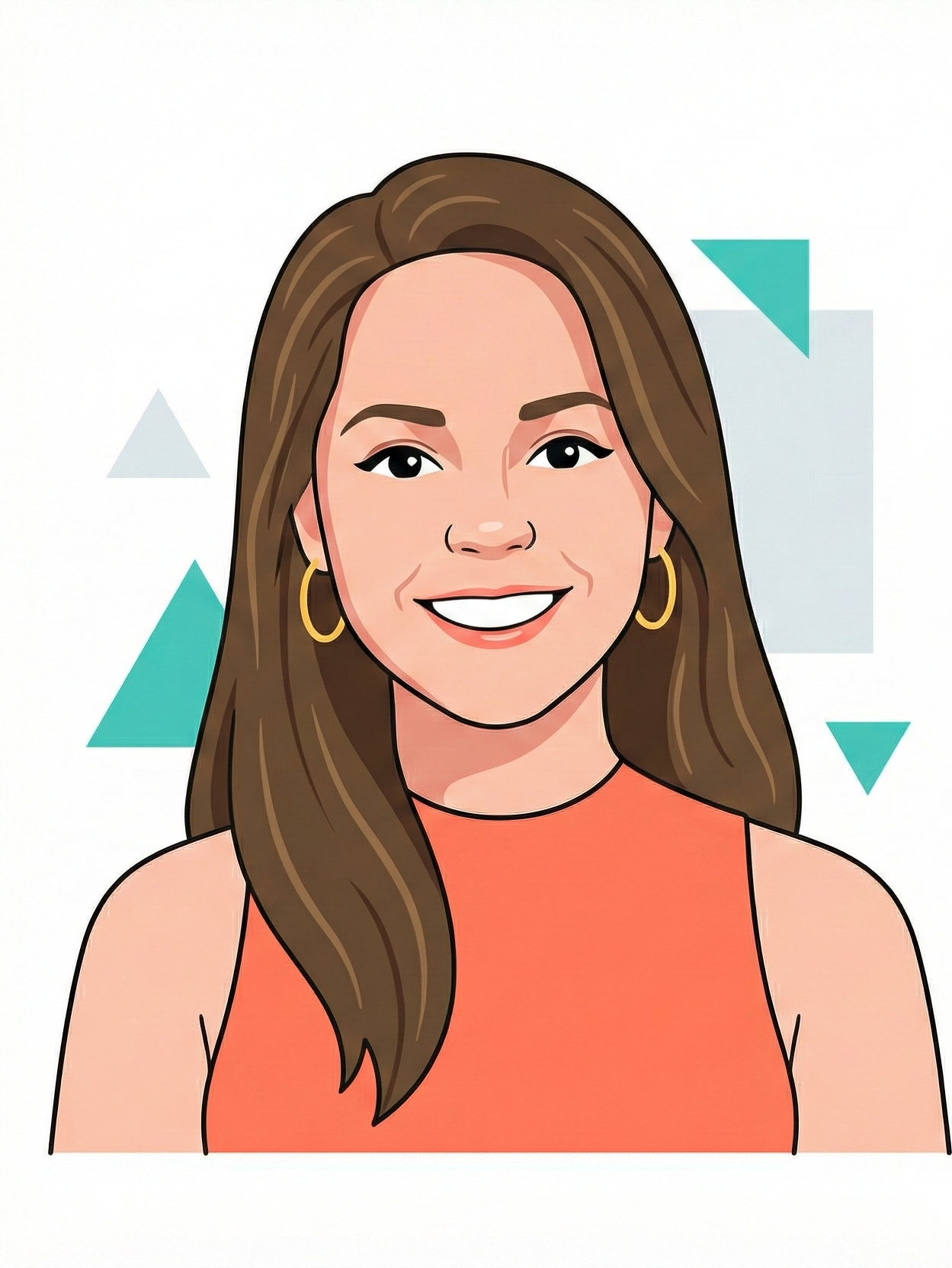 Alison
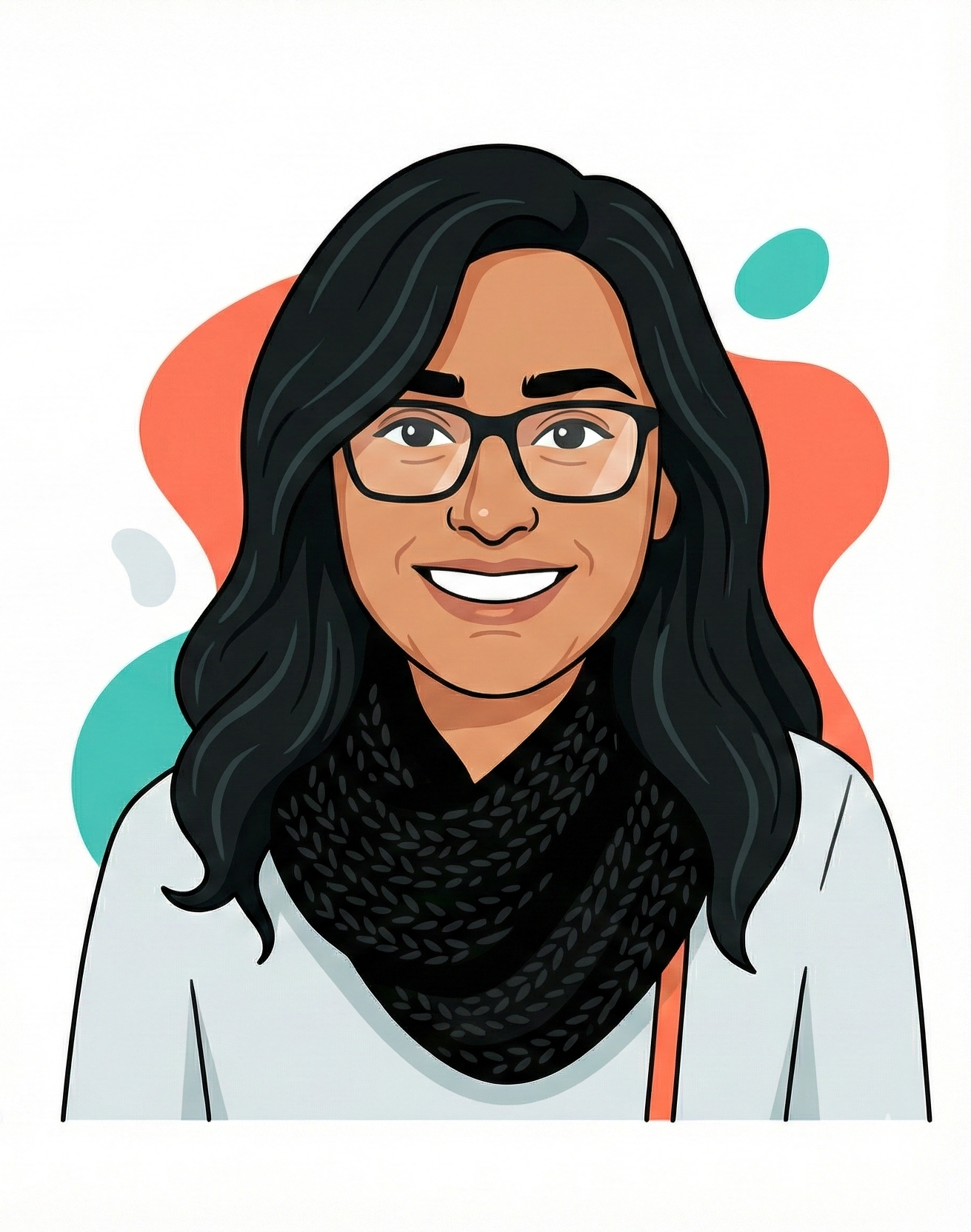 Nilima
We came to Introve from different kinds of work.
Co-founder · The Wordsmith
Alison Gallun
Alison builds frameworks for messy problems, including how to help AI decide when to ask a question, challenge an assumption, or listen.
More about Alison
She wants people’s judgment and contributions to be easier to recognize, including the work a resume can miss.
🎓 Education: BA Economics & BA Spanish Language and Literature, University of Wisconsin–Madison
💼 Previous: Strategy & Operations Consulting at Deloitte, Program & Product Management at Autodesk
Co-founder · The Builder
Nilima Garg
Nilima turns an understanding of how people work together into practical systems, including the architecture behind Mirra’s conversations.
More about Nilima
She looks for what is getting in the way before deciding what to build, as she did with the dashboard that helped bring two teams together.
🎓 Education: BS in Computer Engineering, Purdue University; MBA, UChicago Booth (June 2026)
💼 Previous: Systems Engineering at Lockheed Martin, Productivity Engineer at Spotify
The truths we build on
What we believe shapes what we build.
Open a principle to see how it guides our decisions.
The right question is better than the right answer.
People learn whether it’s worth speaking up by watching what happens when they do. Ask what could make the plan fail, then explain what changed because someone raised a concern. We build to help people ask those questions and act on what they hear.
Value flows both ways.
When someone spends time reflecting on their work, they should get something they can use themselves, whether or not it helps the team.
How someone thinks is the skill.
When the tools or the work change, the way someone approaches an unfamiliar problem can help them find their footing.
Just because technology could, doesn't mean it should.
Efficiency isn't the only metric. We optimize for human signal, not just speed or scale.
People aren't interchangeable parts.
Each person brings a different approach to decisions, relationships, and difficult work. A plan for the team needs to account for those differences.
Human-centered design is just design.
If a tool forces you to act like a robot, it's failed. We build technology that bends to people, not the other way around.
AI should help people make more of what they bring.
We’re building Mirra and Clario to help people recognize their contribution and work out how to move forward together.